Insights

Charitable bunching: A smart way to maximize your giving & tax deductionsCharitable giving is one of the most powerful ways to live your values, support your community and create a lasting legacy.
To make the most of your generosity, consider a strategy called charitable bunching. By grouping multiple years of donations into a single tax year, you may be able to increase your deductions—while still supporting the causes you love every year.
Explore whether charitable bunching is right for you. ⬇️
Thrivent and its financial advisors and professionals do not provide legal, accounting, or tax advice. Consult your attorney or tax professional.

Here's a cheat sheet with some common terms you might encounter during open enrollment. Keep it handy as you make your benefit decisions.

A Multi-Year Guarantee Annuity™ allows you to lock in a guaranteed interest rate for a set period, making it a popular option for those looking to help add stability, predictable earnings, and reduced market uncertainty.
Reach out if you'd like to discuss whether this type of solution could help support your retirement goals.
For additional interest rates and other important information: https://bit.ly/4fIaSQk
See thrivent.com/social for important disclosures.

Time for a career refresh?
The virtual advice role at Thrivent serves as a launching pad for your financial services career.
You get paid training, structured development and hands-on experience that sets you up for long-term success as a financial advisor.
Explore this unique opportunity: thriventcareers.com/4cEb2pZ
#CareerChange #FinancialServices #FinancialAdvisor

Help prepare for retirement with confidence by getting a locked-in interest rate for the guarantee period you choose—either 3, 5, 7 or 9 years—with a Thrivent Multi-Year Guarantee Annuity™️.
This single premium fixed deferred annuity offers:
• Dependable interest
• Tax-deferred earnings
• Protection from market risk
Contact me today if you want to discuss if this is right for you.
For additional interest rates and other important information: https://bit.ly/4fFumVI
See thrivent.com/social for important disclosures.
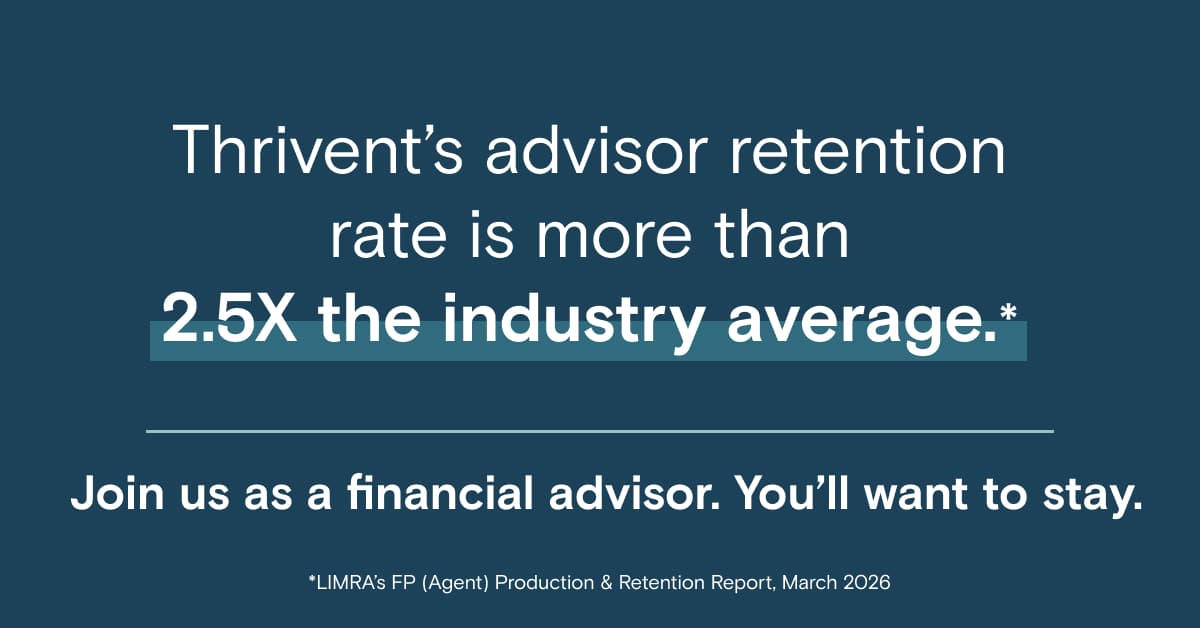
Why do people stay at Thrivent? 🤔
Because you can build a career that’s both financially rewarding and deeply purposeful (doing work that means more).
Discover why our retention rate is above the industry average: thriventcareers.com/46ccOLr
#Careers #FinancialServices #CareerGrowth #Thrivent

Annuities may help you take care of your family after you retire, by supporting your needs in a flexible way. Learn more: https://bit.ly/4jpD7Ss

The Thrivent Virtual Advisor career is reshaping what the financial advisor role can look like.
In this role, you'll receive:
• structured support
• predictable income while you train and grow
• flexibility in a hybrid or remote setting
Explore the role today: thriventcareers.com/4yy9TcR

A Multi-Year Guarantee Annuity™️ allows you to lock in a guaranteed interest rate for a set period, making it a popular option for those looking to help add stability, predictable earnings, and reduced market uncertainty.
Reach out if you'd like to discuss whether this type of solution could help support your retirement goals.
For additional interest rates and other important information: https://bit.ly/4fIaSQk
See thrivent.com/social for important disclosures.

August 2026 Market Update: Strong economy, higher yieldsThe market continues to navigate a changing landscape. While technology and AI remain important drivers, leadership is expanding into areas like financials and energy. Combined with a resilient economy and attractive bond yields, diversification remains as important as ever. Read Thrivent's August Market Update for more. ⬇️

Technology has made impersonation scams more convincing—and more frightening than ever. Criminals can now use AI to clone a loved one’s voice, spoof their phone number and create a false sense of emergency to pressure you into sending them money.
🚩 If you ever receive a call like this, hang up and reach out to your loved one directly. When in doubt, contact the police.
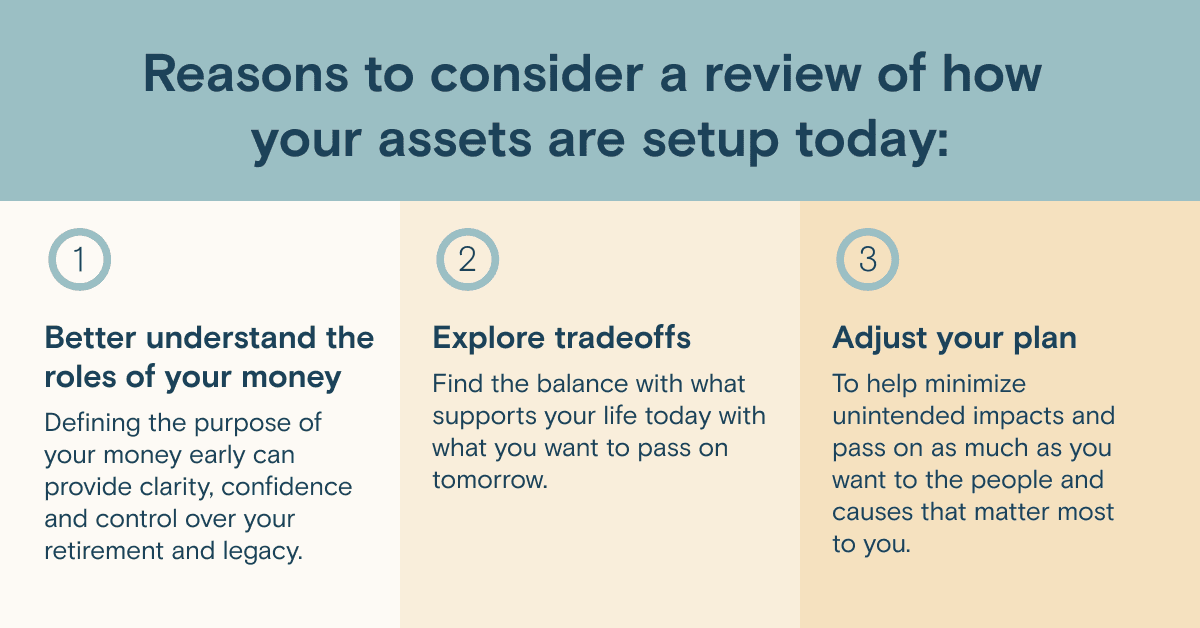
Have you thought about which assets are meant for living today and which ones you hope to pass on? Let’s connect to explore what each piece is supporting today and how it could show up for the people and causes you care about.
See thrivent.com/social for important disclosures.

Multi-year guaranteed annuity (MYGA) vs. certificate of deposit (CD)Certificates of deposit and multi-year guarantee annuities can both help offer predictability to your portfolio, particularly in an uncertain market. Here’s how to know which might make sense for you.
36386k-2

Ever feel like investing is its own language? You’re not alone.
If you’ve ever nodded along at words like “ETF” or “dollar-cost averaging” without really knowing what they meant, this guide is for you.
Get the basics of investing explained simply—no jargon required. ➡️ https://bit.ly/49t3WCi
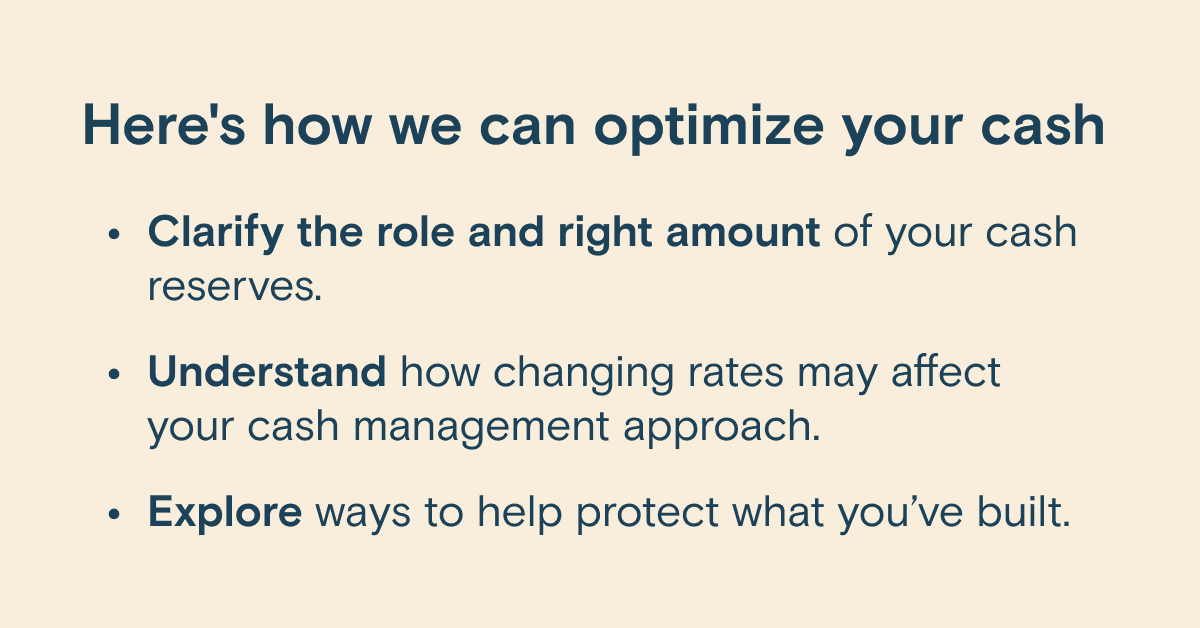
Shifting interest rates signal that it’s time to make sure your money is still well positioned to support your needs, whether that’s maintaining liquidity or building stability for the years ahead.
See thrivent.com/social for important disclosures.

Steady growth, stubborn inflation: Q3 2026 market outlookEconomic growth remains solid, but investors continue to face questions around inflation, interest rates and AI-driven market expectations. Explore Thrivent's 2026 Mid-Year Market Outlook for perspective on what may lie ahead. ⬇️
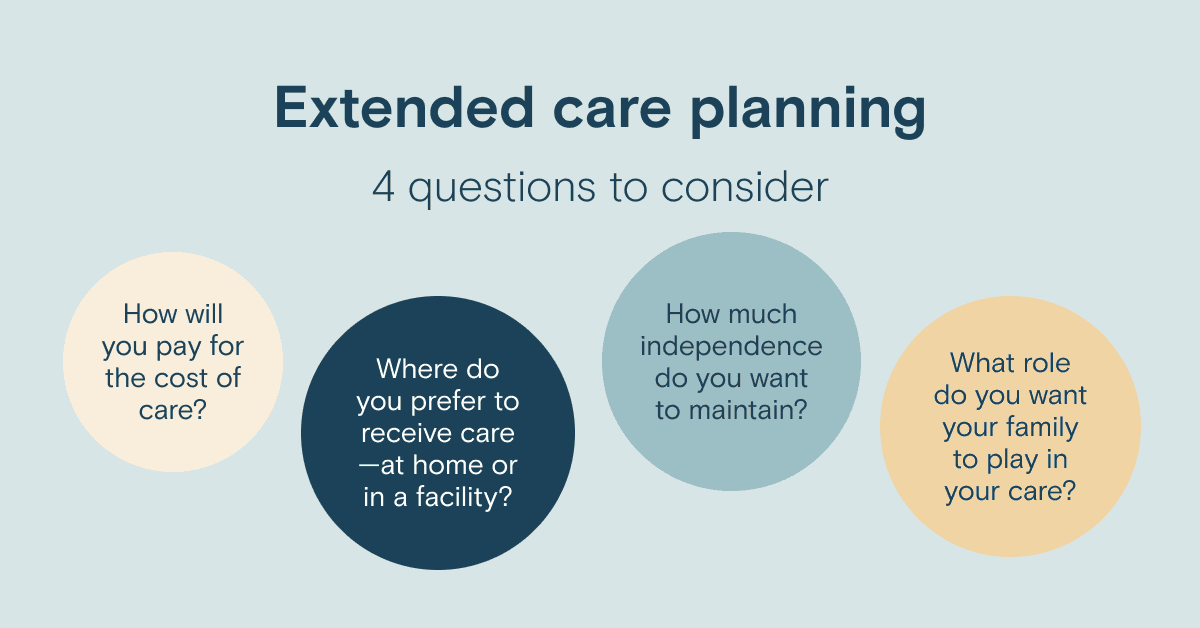
The future may be full of unknowns—but one thing you can prepare for is how you’ll handle long-term care if or when the need arises.
Planning for extended care today gives you more choices tomorrow. It helps protect your finances and independence—while allowing your loved ones to remain care managers, not full-time caregivers.
➡️ If you have any questions or would like to explore your options, let’s schedule time to discuss.
See thrivent.com/social for important disclosures.
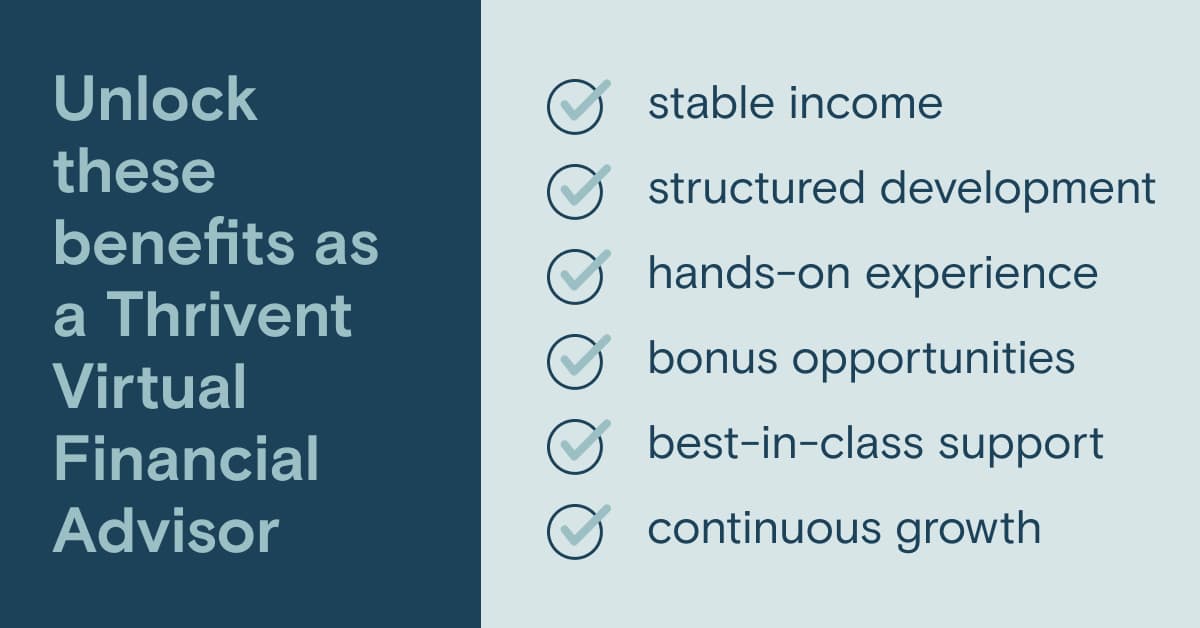
This is how you’re set up to succeed as a Thrivent Virtual Financial Advisor:
• Get stable income while you enjoy a flexible work arrangement.
• Follow a structured development plan with intentional support.
• Lay the foundation for your long-term success helping clients we bring to you.
Discover a career where your success is our priority: thriventcareers.com/4oON00g

💡 Tip of the Week! 💡
Do you know where every dollar is going?
Tracking your spending is one of the simplest ways to maximize your income and make meaningful progress toward your financial goals. When you understand where your money is going, you can identify unnecessary expenses, build better habits, and put more of your hard-earned dollars to work for you.
Remember: Every dollar should have a purpose.
#TipOfTheWeek #MoneyManagement #BudgetingTips #FinancialWellness #PersonalFinance #FinancialGoals
See thrivent.com/social for important disclosures

💡 Financial Tip of the Week!
Before making large purchases, make sure you're paying yourself first. Prioritizing your savings and financial goals today can help build a stronger future tomorrow.
Ready to create a plan that works for you? Click the link below to connect with me through my website! https://connect.thrivent.com/rob-spykstra
#FinancialTipOfTheWeek #FinancialPlanning #PersonalFinance #WealthManagement #MoneyManagement
See thrivent.com/social for important disclosures