Insights

“These things I have spoken to you, that my joy may be in you, and that your joy may be full.” - John 15:11
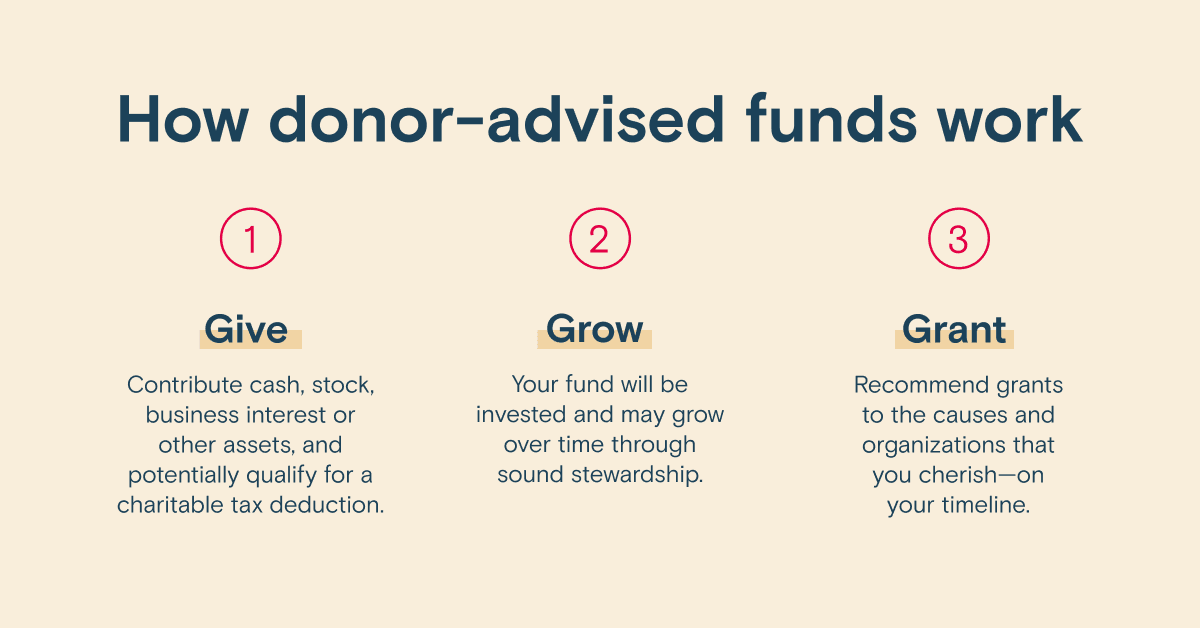
Whether you’re supporting your place of worship, a local nonprofit or a cause that’s close to your heart, a donor-advised fund (DAF) is worth considering. A DAF offers flexibility and potential tax advantages, making it easier to align your giving with your goals and turn your generosity into a lasting impact.
Get in touch to explore whether a DAF fits into your financial strategy.
See thrivent.com/social for important disclosures.


Including a donation in your will or estate plan can help you make a lasting difference for the causes you care about. From designating a nonprofit as a beneficiary to making a bequest or establishing a trust, there are a variety of flexible ways to give—and potential tax benefits too.
Explore your options for donating through your will: https://bit.ly/4nkZ47d
Charitable giving is one of the most powerful ways to live your values, support your community and create a lasting legacy.
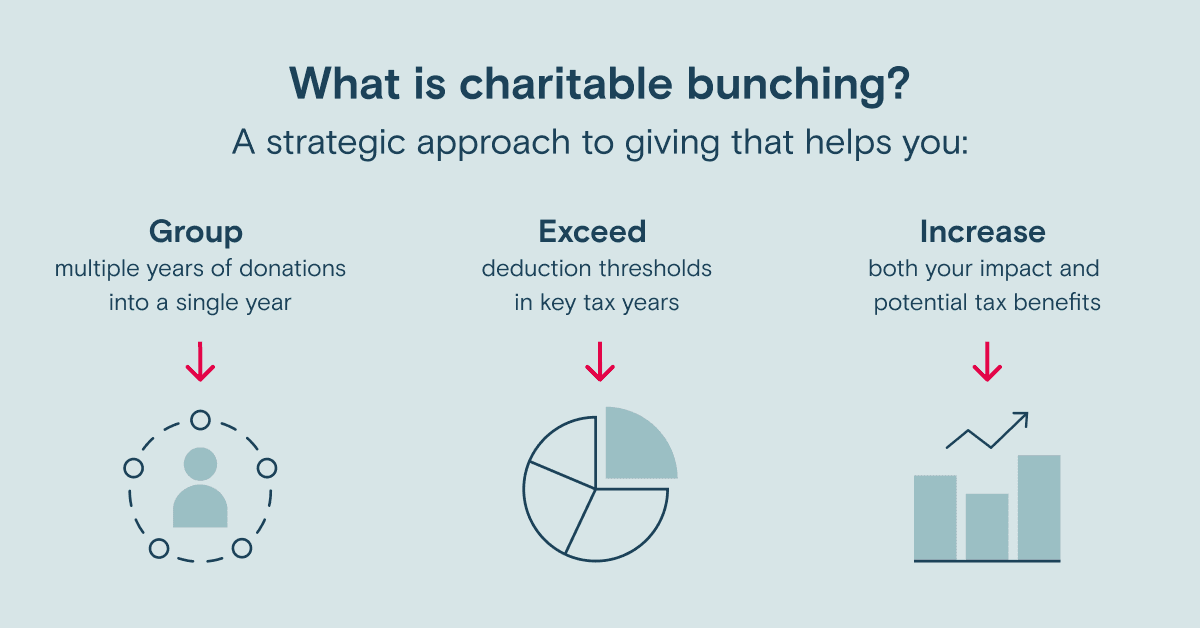
To make the most of your generosity, consider a strategy called charitable bunching. By grouping multiple years of donations into a single tax year, you may be able to increase your deductions—while still supporting the causes you love every year.
Explore whether charitable bunching is right for you: https://bit.ly/43xqhw6
Thrivent and its financial advisors and professionals do not provide legal, accounting, or tax advice. Consult your attorney or tax professional.

Maximizing Social Security for married couples: How it works & spousal strategies to considerDifferences in each spouse’s Social Security retirement benefits and estimated life expectancy can affect your retirement strategy. Take a look at 4 strategies you can use to help maximize your Social Security benefits as a couple. ⬇️

A qualified charitable distribution (QCD) can be a smart way to turn a required withdrawal into a meaningful gift.
A QCD allows you to give directly from your IRA to a nonprofit you care about. It can count toward your required minimum distribution (RMD), potentially lower your taxable income and even help manage your future Medicare costs.
Find out more: https://bit.ly/4hmPFKV

“May the God of hope fill you with all joy and peace as you trust in him, so that you may overflow with hope by the power of the Holy Spirit.” - Romans 15:13
For the 15th consecutive year, Thrivent has been named one of the World’s Most Ethical Companies by Ethisphere. It’s an honor to work for an organization that’s committed to serving its clients, its workforce and its community with integrity.
Learn more about this recognition: https://bit.ly/4cVuu2j

Charitable giving strategies aren’t just for the wealthy—they’re for anyone who wishes to make a meaningful impact.
Whether you give a little or a lot, a thoughtful approach can help you support the causes you care about, minimize your tax burden and build a lasting legacy of generosity.
Let’s discuss how charitable giving can become a cornerstone of your financial future.
See thrivent.com/social for important disclosures.

Thinking about working while receiving Social Security? Your age and your earnings could impact the amount of your monthly Social Security benefit.
Here are considerations for balancing work and Social Security: https://bit.ly/41XxFAH

If you didn’t contribute to Social Security, there are still ways to help ensure you have enough to last you through retirement. Together, we can review your financial plan and discuss ways you can create additional income streams in retirement to supplement your savings.
See thrivent.com/social for important disclosures.

Maximizing your Social Security benefits is a crucial part of securing your retirement. By planning ahead and using key strategies, you can optimize your benefits and enhance your financial future. Start making informed decisions now for a more comfortable retirement tomorrow: https://bit.ly/44bxQcX

Several factors, like age and marital status, should be taken into consideration when deciding when to start taking Social Security. But those are not the only ones. Learn more about other key factors that impact Social Security: https://bit.ly/44be4hK

Being able to support the causes you care about can be one of the most meaningful parts of your financial journey. A donor-advised fund (DAF) may help you extend that impact even further.
A DAF enables you to make charitable contributions now and qualify for a tax deduction, while recommending grants to your favorite charities on your own timeline. Over time, your fund may grow, creating even more dollars to give.
Explore whether a DAF is right for you: https://bit.ly/4o8K5hU

Taking Social Security early? Reasons to consider (with pros & cons)Should you take Social Security early? It depends on your unique needs. Before deciding, make sure to take the pros and cons into consideration.
Together, we can talk about your Social Security income and retirement savings to help determine whether claiming benefits early makes sense.
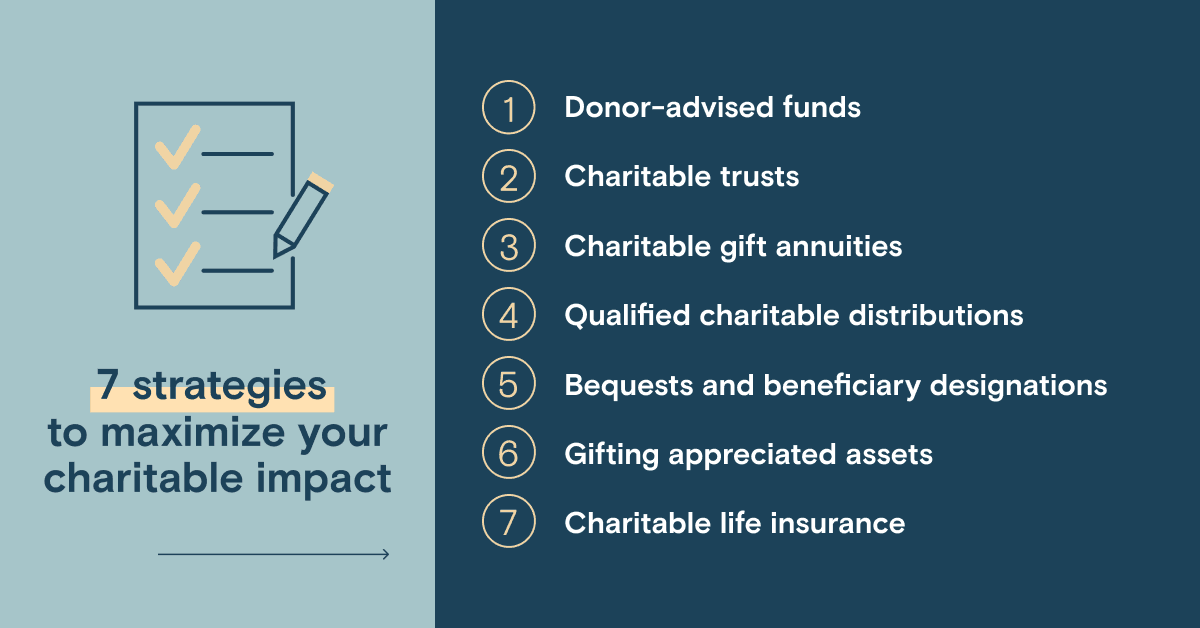
While spontaneous giving can be meaningful, a strategic approach can help you amplify your generosity, minimize your tax burden and give with greater purpose.
Consider these charitable giving strategies: https://bit.ly/3IZ1x9f

What are common mistakes people make when investing?
1️⃣ Lacking diversification
2️⃣ Trying to time the market
3️⃣ Investing with your emotions
4️⃣ Ignoring fees and taxes
For more mistakes to watch out for and smart strategies to consider: https://bit.ly/4cpFT8s

How would you cover expenses if you or your spouse needed extended care?
It can be easy to overlook future health needs when planning for retirement. But extended care can be costly—and without a funding strategy, it could quickly deplete your savings.
Let’s discuss the steps you can take today to ensure that if the need arises, you can focus on your well-being—not on how to pay for care.
See thrivent.com/social for important disclosures.

The differences between real estate, stocks, bonds & mutual fundsWondering what types of investments you should make? Learn more about the different options available and then let’s connect and discuss which ones may be right for you.