Insights

This Veterans Day, let's take time to honor those who have served. Thank you for the sacrifices you have made for our country.


Finances + Generosity | ThriventEven though your personal finances likely start with your personal goals, they can also be a way to support the people, causes and community you love. Who are you building your legacy for?

Wealth transferYou’ve worked hard to build a life you love—now it’s time to decide what your money is meant to do. How it’s set up today is already shaping what reaches the people and causes closest to your heart tomorrow. Take a closer look at your money, so it can support your life now and benefit those you care about.

Financial planning for millennials: A comprehensive guideDoes it feel like every financial goal is competing for the same dollars? This guide offers 7 ways to prioritize your money and make progress toward what matters most. ⬇️
Let’s talk about what’s competing for your attention and how we can build a financial plan to address it.

Charitable bunching: A smart way to maximize your giving & tax deductionsCharitable giving is one of the most powerful ways to live your values, support your community and create a lasting legacy.
To make the most of your generosity, consider a strategy called charitable bunching. By grouping multiple years of donations into a single tax year, you may be able to increase your deductions—while still supporting the causes you love every year.
Explore whether charitable bunching is right for you. ⬇️
Thrivent and its financial advisors and professionals do not provide legal, accounting, or tax advice. Consult your attorney or tax professional.

Growth and stocks remain resilient, but rates rise: Q4 2026 market outlookHigher rates. Resilient growth. New opportunities. Thrivent's Q4 2026 Market Outlook highlights why staying invested and maintaining a diversified portfolio remains important in today’s market environment. ⬇️

Financial literacy for teens: 6 lessons about money managementOne of the greatest gifts you can offer your teenager is teaching them about money. In a few years, they'll face financial decisions that demand a long-term perspective. Here are ways to start the conversation. ⬇️

Looking for a kid-friendly way to teach financial literacy? Try the Spend, Save, Give method. It allows them to:
⭐ Spend on things they want
⭐ Save for something big
⭐ Give to make a difference
Kids learn best by doing. This simple approach turns money lessons into real-life choices—helping instill discipline and prioritization. And if generosity is part of your family values, it’s a great way to pass that on early.

Maximizing Social Security for married couples: How it works & spousal strategies to considerDifferences in each spouse’s Social Security retirement benefits and estimated life expectancy can affect your retirement strategy. Take a look at 4 strategies you can use to help maximize your Social Security benefits as a couple. ⬇️

Taking Social Security early? Reasons to consider (with pros & cons)Should you take Social Security early? It depends on your unique needs. Before deciding, make sure to take the pros and cons into consideration.
Together, we can talk about your Social Security income and retirement savings to help determine whether claiming benefits early makes sense.

The differences between real estate, stocks, bonds & mutual fundsWondering what types of investments you should make? Learn more about the different options available and then let’s connect and discuss which ones may be right for you.

Basics of a financial plan: What it is & getting startedLet's pursue your financial goals, together. I can help you get started by providing insight on three important steps to establishing a financial plan:
1. Identify where you are.
2. Define financial success so you can outline your goals.
3. Uncover some events that might move you further away from your goals.
Learn more about what makes up a solid financial plan and the process for creating your own. ⬇️

What is a variable annuity & how does it work?A variable annuity offers several key features: income in retirement, potential tax-deferred growth based on market performance, and—depending on the contract—potential to pass money on to your heirs.
Check out this article for more information and let’s connect if you want to discuss how an annuity could help you reach your retirement goals.

If you’re struggling to reconcile stock market highs with concerns about the rising cost of living, check out this short clip with Thrivent’s Chief Financial & Investment Officer David Royal: https://bit.ly/3ReRHnO

The 3 advantages of life insurance for childrenDid you know that purchasing life insurance for children while they are young is more beneficial than waiting until they are older? Here are 3 reasons to insure them now. ⬇️

7 ways to help reduce your taxable incomeSeeing your hard-earned money go towards taxes can be frustrating. However, there are ways you can help reduce your tax burdens and become more tax efficient. ⬇️

What is portfolio rebalancing? Tips to maintain your target investment mixIs now the time to rebalance your portfolio? Over time, market shifts can expose you to more risk than you intended. Rebalancing is usually necessary on a periodic basis to help restore your portfolio to your target allocations. Here are 3 reasons why it may be time to rebalance. 👇
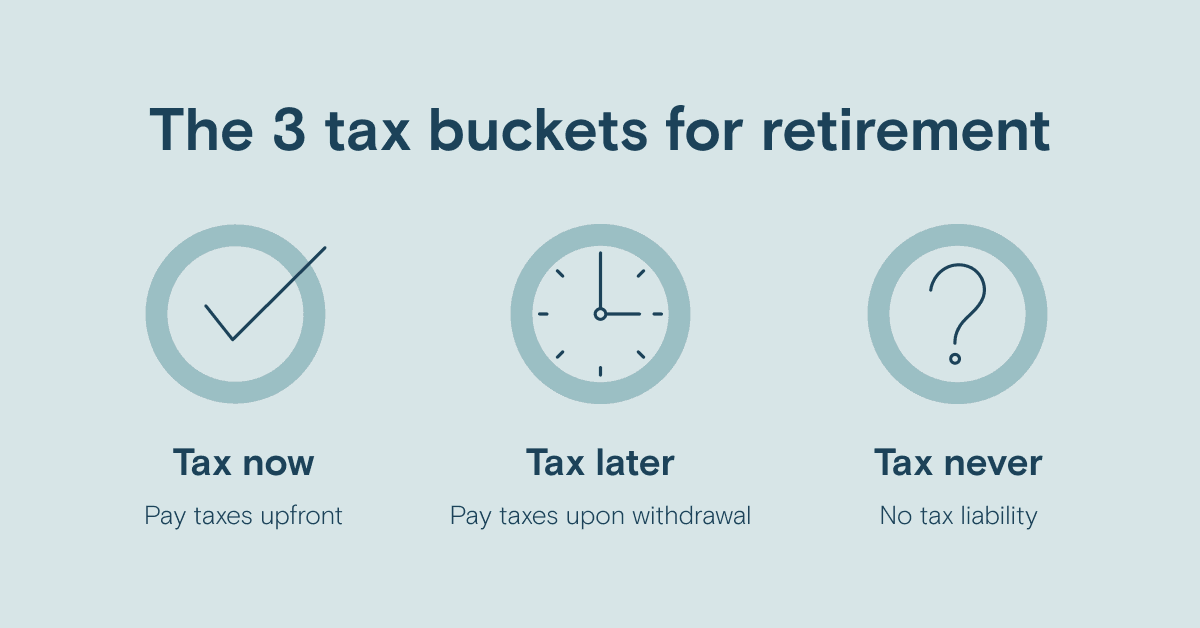
Saving for retirement? Here’s something to consider: different accounts come with different tax implications.
By spreading your savings across taxable, tax-deferred and tax-free accounts, you can give yourself more flexibility in retirement. This makes it easier for you to manage withdrawals, avoid tax spikes and lower your Modified Adjusted Gross Income (MAGI).
Get in touch to discuss the right approach for your unique situation.
See thrivent.com/social for important disclosures. Thrivent and its financial advisors and professionals do not provide legal, accounting or tax advice. Consult your attorney or tax professional.
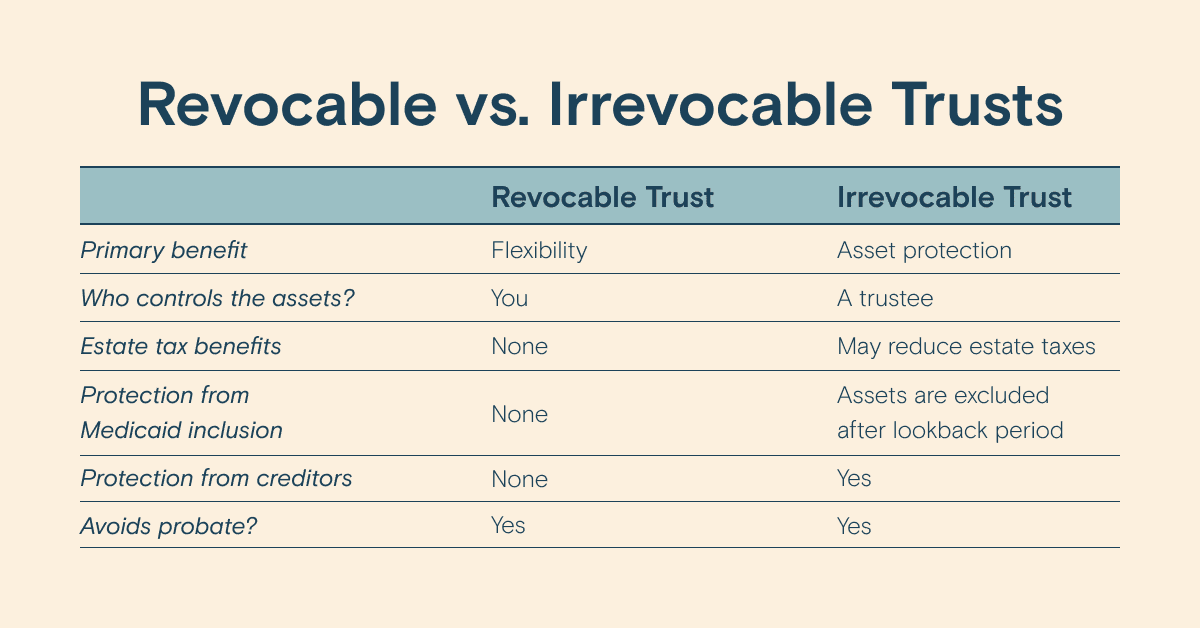
If you own a home, investments, life insurance or other valuable assets, it might be time to consider a revocable or irrevocable trust.
Depending on the structure you choose, a trust can offer a variety of benefits—including privacy, tax advantages and greater control over how your assets are distributed. In some cases, it may even protect your assets from creditors or Medicaid inclusion.
Learn more about your options: https://bit.ly/3VZ6FNl