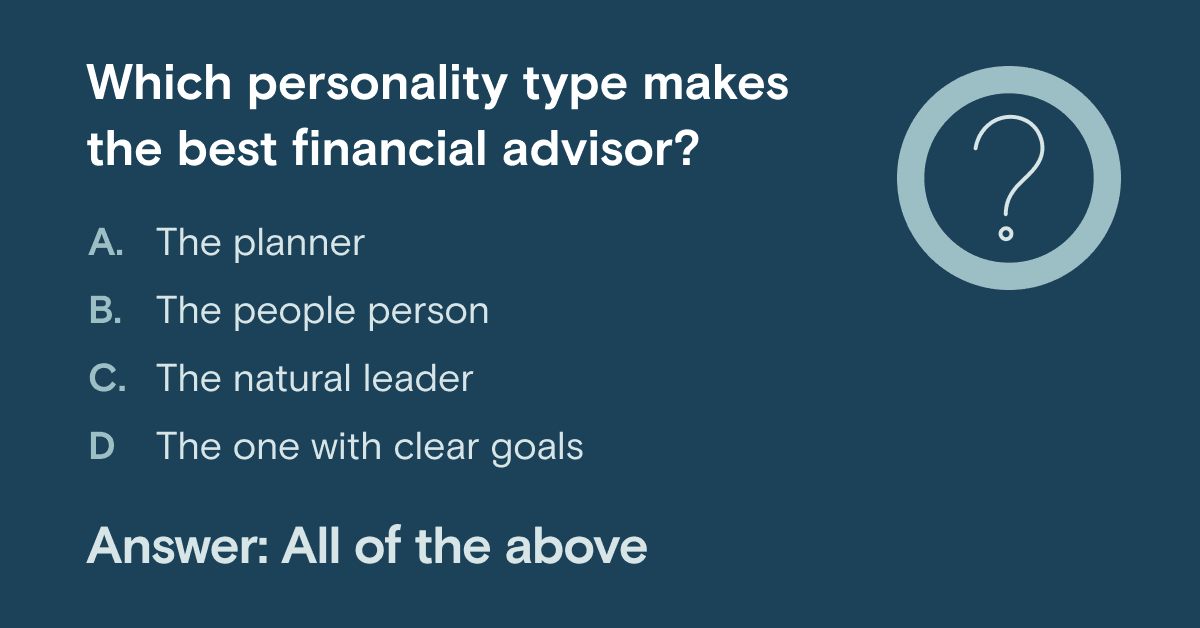
There is a path for you to become a financial advisor (whatever your personality).
Different clients prefer different kinds of financial advisors (all who deliver meaningful, purpose-driven financial advice).
Discover more about the financial advisor career here: thriventcareers.com/4jhB4Dp
Time for a career refresh?
The virtual advice role at Thrivent serves as a launching pad for your financial services career.
You get paid training, structured development and hands-on experience that sets you up for long-term success as a financial advisor.
Explore this unique opportunity: thriventcareers.com/4cEb2pZ
#CareerChange #FinancialServices #FinancialAdvisor
Love the work you do (while making an attractive income).
Find purpose, growth and a team of people invested in your success.
Discover more about the financial advisor career: thriventcareers.com/4cIdiwn
#CareerChange #FinancialServices #FinancialAdvisor
Chad A Reisner, in Chaska MN | Thrivents a husband, dad, coach, and someone who works closely with individuals and families every day, I know how quickly another week can fly by.
Friday afternoons are often when we finally get a chance to slow down and think about the things that matter most, including our family, goals, and future.
If you've been putting off a financial review or have questions about retirement, protecting your family, or planning for what's next, let's connect.
My door is always open for a conversation, whether in my office, over coffee, or wherever is most convenient for you.
Message me to set up a time.
https://connect.thrivent.com/chad-reisner
Disclosures: thrivent.com/social
Help prepare for retirement with confidence by getting a locked-in interest rate for the guarantee period you choose—either 3, 5, 7 or 9 years—with a Thrivent Multi-Year Guarantee Annuity™️.
This single premium fixed deferred annuity offers:
• Dependable interest
• Tax-deferred earnings
• Protection from market risk
Contact me today if you want to discuss if this is right for you.
For additional interest rates and other important information: https://bit.ly/4fFumVI
See thrivent.com/social for important disclosures.
Help prepare for retirement with confidence by getting a locked-in interest rate for the guarantee period you choose—either 3, 5, 7 or 9 years—with a Thrivent Multi-Year Guarantee Annuity™️.
This single premium fixed deferred annuity offers:
• Dependable interest
• Tax-deferred earnings
• Protection from market risk
Contact me today if you want to discuss if this is right for you.
For additional interest rates and other important information: https://bit.ly/3RA8u4Z
See thrivent.com/social for important disclosures.
Does your retirement plan need a boost? Reach out to discuss catch-up contributions after age 50 and how I can help you reach your retirement goals.
See thrivent.com/social for important disclosures.
Are you ready for penalty-free retirement withdrawals? Reach out to learn more about taking withdrawals starting at age 59½ and how I can help you reach your retirement goals.
See thrivent.com/social for important disclosures.
Are you curious about qualified charitable distributions (QCDs)? Reach out to learn more about tax-smart charitable giving at age 70½ or older.
See thrivent.com/social for important disclosures.
If you’re age 55 or older, you may be able to access your 401(k) early. Reach out to learn more about the rule of 55 and how it may impact your retirement planning.
See thrivent.com/social for important disclosures.
Future you is giving you a high five.
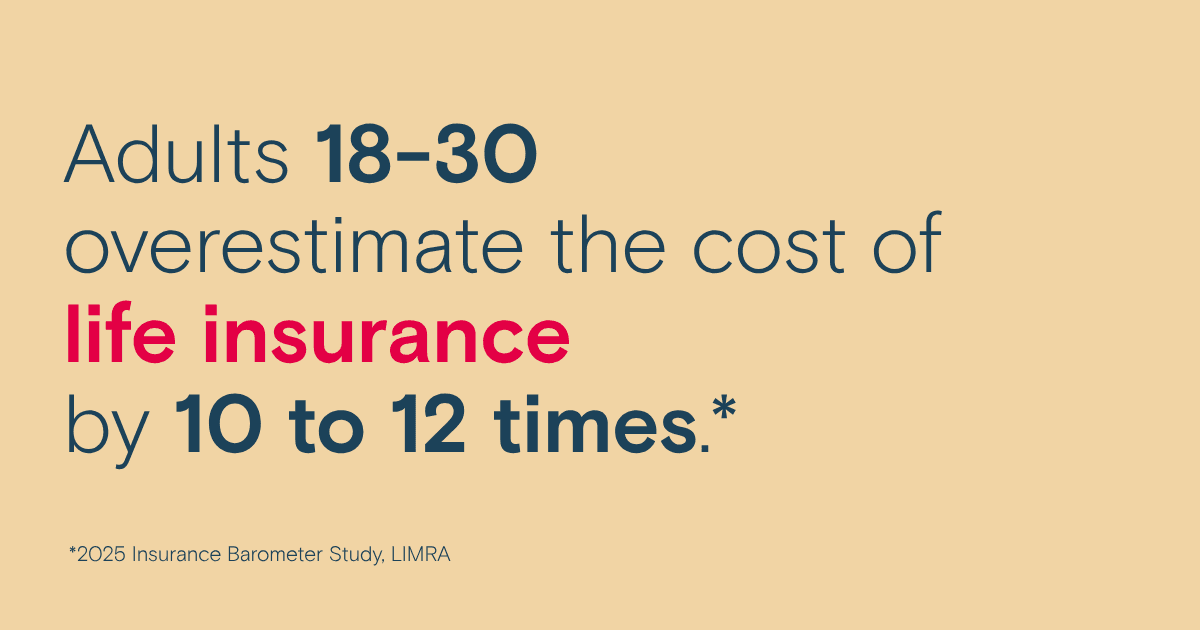
Getting life insurance in your 20s may help you lock in lower premiums and build financial protection early for your loved ones.
Let's make life insurance make sense for your finances now and in the future.
See thrivent.com/social for important disclosures.
Life insurance may be an important resource for your small business. It can help secure your loved ones' financial futures, provide a clear succession plan and protect your business from financial harm. Learn more about how life insurance can help protect your small business: https://bit.ly/4ds6lgB
When should you think about buying life insurance? Why do people buy it? How do you choose a policy? Take a look at these key questions when considering a life insurance policy: https://bit.ly/4fV6zzk
If you have life insurance coverage through your employer, it may not be enough to fully cover your needs. Let’s assess your situation and determine your next steps.
See thrivent.com/social for important disclosures.
The 3 advantages of life insurance for childrenDid you know that purchasing life insurance for children while they are young is more beneficial than waiting until they are older? Here are 3 reasons to insure them now. ⬇️
Is it time to start taking your required minimum distributions? Reach out to learn more about RMDs and how they may impact your retirement goals.
See thrivent.com/social for important disclosures.
Are you at full retirement age? Reach out to learn more about taking full Social Security benefits at age 67.
Thrivent financial advisors and professionals have general knowledge of the Social Security tenets. For complete details on your situation, contact the Social Security Administration. See thrivent.com/social for important disclosures.
Can you claim early Social Security benefits? Reach out to learn more about taking Social Security benefits at age 62.
Thrivent financial advisors and professionals have general knowledge of the Social Security tenets. For complete details on your situation, contact the Social Security Administration. See thrivent.com/social for important disclosures.