Insights

Extended care planning can help you maintain your future independence, protect your finances and gain confidence knowing that when your health changes and you need assistance, you’ll have options.
It may allow you to:
1️⃣ Choose where you receive care—even in your own home
2️⃣ Ensure your loved ones can be care managers, not caregivers
3️⃣ Prepare for the cost of care with greater certainty
If you haven’t yet considered how to fund extended care, now is the time. Let’s discuss your options.
See thrivent.com/social for important disclosures.
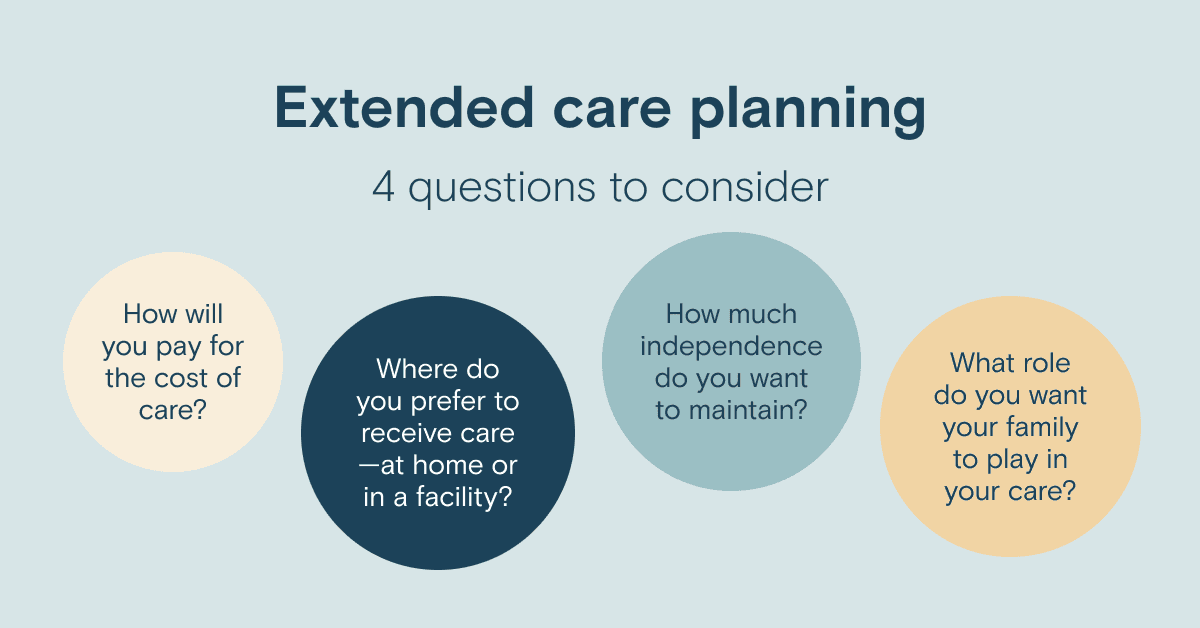
The future may be full of unknowns—but one thing you can prepare for is how you’ll handle long-term care if or when the need arises.
Planning for extended care today gives you more choices tomorrow. It helps protect your finances and independence—while allowing your loved ones to remain care managers, not full-time caregivers.
➡️ If you have any questions or would like to explore your options, let’s schedule time to discuss.
See thrivent.com/social for important disclosures.

Many people are surprised to learn that Medicare and Medicaid don’t provide the extended care coverage they expect. That’s why having a long-term care strategy can be an essential part of your financial plan. Not only does it help protect your savings—it can also preserve your choices.
Thrivent is not connected with or endorsed by the U.S. government or the federal Medicare program.

Many people think long-term care is only for later in life—but your 40s and 50s can be the best time to plan ahead. Together, let’s make sure your future health care needs and associated costs are addressed.
See thrivent.com/social for important disclosures.

The benefits of life insurance: What you need to knowThere are 7 key benefits of including life insurance in your overall financial strategy. Want to discuss further? Let's set up time to talk more about your life insurance options.

Your super catch-up window is hereBetween ages 60 and 63, you may have an exclusive opportunity to contribute more to your retirement through the super catch-up provision. This means you can:
• See if you qualify and how much extra you may be eligible to contribute.
• Understand the factors that may influence this decision.
• Evaluate if contributing more—or another strategy—makes the most sense for your goals.
Learn more about how this limited-time option could help you make the most of your retirement savings if this option is available to you. ⬇️

If you’re age 55 or older, you may be able to access your 401(k) early. Reach out to learn more about the rule of 55 and how it may impact your retirement planning.
See thrivent.com/social for important disclosures.

Discover how an annuity can provide lifelong income and if one might be a good fit for you here: https://bit.ly/43NVXgM
Let’s have a conversation about what type of annuity may fit your goals and preferred level of risk.

A joint and survivor annuity can be a valuable tool to provide guaranteed income in retirement for yourself and your spouse. Learn how joint & survivor annuities work and the benefits they offer: https://bit.ly/4uIJqpO
And if you want to chat more, we can review your goals and see how a joint & survivor annuity could fit into your retirement income strategy.
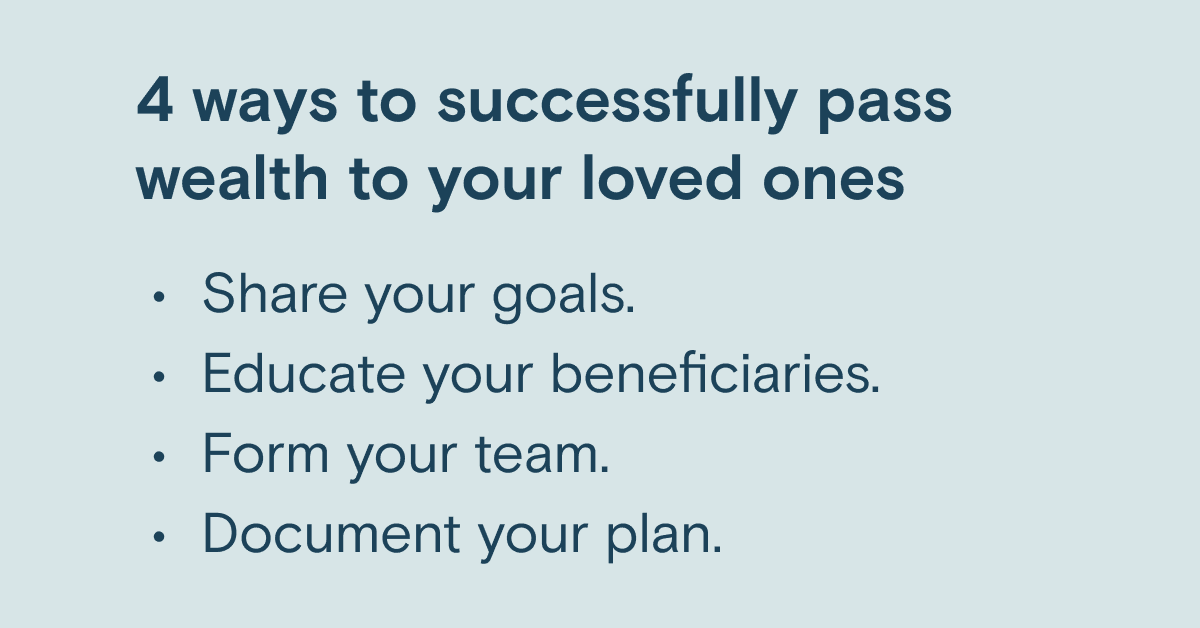
Legacy planning doesn't have to be stressful. With the right tools and timely strategies, you can stay true to your vision and help your loved ones feel prepared.
Here are a few key things to keep in mind:
• The amount you can pass on without federal estate or gift tax is $15 million per person—or $30 million for married couples in 2026. These higher limits give families more flexibility and room to plan for the future.
• Preparing your wealth transfer priorities today can make a meaningful difference. Name beneficiaries, establish a will and consider trusts.
• Gifting can also play a role. Many people give annually to take advantage of the gift tax exclusion—up to $19,000 per person in 2026 without triggering gift tax.
A thoughtful approach can help more of what you’ve built reach the people and causes you care about. ➡️ https://bit.ly/4hpRIzN

Charitable bunching: A smart way to maximize your giving & tax deductionsCharitable giving is one of the most powerful ways to live your values, support your community and create a lasting legacy.
To make the most of your generosity, consider a strategy called charitable bunching. By grouping multiple years of donations into a single tax year, you may be able to increase your deductions—while still supporting the causes you love every year.
Explore whether charitable bunching is right for you. ⬇️
Thrivent and its financial advisors and professionals do not provide legal, accounting, or tax advice. Consult your attorney or tax professional.

Navigating open enrollment: 5 ways to make the best choices for your familyOpen enrollment is your opportunity to make choices that will protect and support your family throughout the year. Take a look at this helpful guide before you get started. Let’s connect if you want to discuss which options are the right fit for your family’s needs.

Donor-advised funds: Helping you help othersBeing able to support the causes you care about can be one of the most meaningful parts of your financial journey. A donor-advised fund (DAF) may help you extend that impact even further.
A DAF enables you to make charitable contributions now and qualify for a tax deduction, while recommending grants to your favorite charities on your own timeline. Over time, your fund may grow, creating even more dollars to give.
Explore whether a DAF is right for you. ⬇️

Growth and stocks remain resilient, but rates rise: Q4 2026 market outlookHigher rates. Resilient growth. New opportunities. Thrivent's Q4 2026 Market Outlook highlights why staying invested and maintaining a diversified portfolio remains important in today’s market environment. ⬇️

Donating life insurance to charity: What you need to knowYou can keep giving long after you’re gone. Learn more about how you can leave a legacy by gifting life insurance. ⬇️

Top 7 charitable giving strategies: Maximizing tax benefits and impactThere are ways you can help maximize tax benefits when giving. Learn more about different charitable giving strategies and their tax advantages.

How to donate to charity in your willIncluding a donation in your will or estate plan can help you make a lasting difference for the causes you care about. From designating a nonprofit as a beneficiary to making a bequest or establishing a trust, there are a variety of flexible ways to give—and potential tax benefits too.
Explore your options for donating through your will. ⬇️
Charitable giving & financial planning: Strategies to maximize impactIf giving is important to you, consider a strategy that maximizes your charitable impact.

How qualified charitable distributions (QCDs) work: Rules, pros & consA qualified charitable distribution (QCD) can be a smart way to turn a required withdrawal into a meaningful gift.
A QCD allows you to give directly from your IRA to a nonprofit you care about. It can count toward your required minimum distribution (RMD), potentially lower your taxable income and even help manage your future Medicare costs.
Find out more. ⬇️

When should you get life insurance?Not sure when you should get life insurance? Here are different factors to consider that will help you decide when to take the next step. ⬇️