
Creating a comprehensive financial plan for clients is just part of what differentiates us. Investable assets are not just numbers on a page. They represent hopes and dreams. The best financial advice is that which is tailored for the individual, advice that creates a better life for you and those you love. So when we meet with you we take into account all of these issues all the while looking at the big picture and the tax consequences of your decisions. This is what custom comprehensive planning is all about. And we will be here when you need us. There will be no automated response to any of your questions or calls. We are here to serve you. Call or stop by our office to set up an appointment or to learn more about how we can help.
Creating a comprehensive financial plan for clients is just part of what differentiates us. Investable assets are not just numbers on a page. They represent hopes and dreams. The best financial advice is that which is tailored for the individual, advice that creates a better life for you and those you love. So when we meet with you we take into account all of these issues all the while looking at the big picture and the tax consequences of your decisions. This is what custom comprehensive planning is all about. And we will be here when you need us. There will be no automated response to any of your questions or calls. We are here to serve you. Call or stop by our office to set up an appointment or to learn more about how we can help.



Our solutions



About Thrivent
Thrivent is a member-owned financial services organization offering advice, investments, insurance, banking and generosity programs to help clients make an impact on the people, causes and communities they love.
Where Money Means More™
Community impact


Thrivent membership benefits
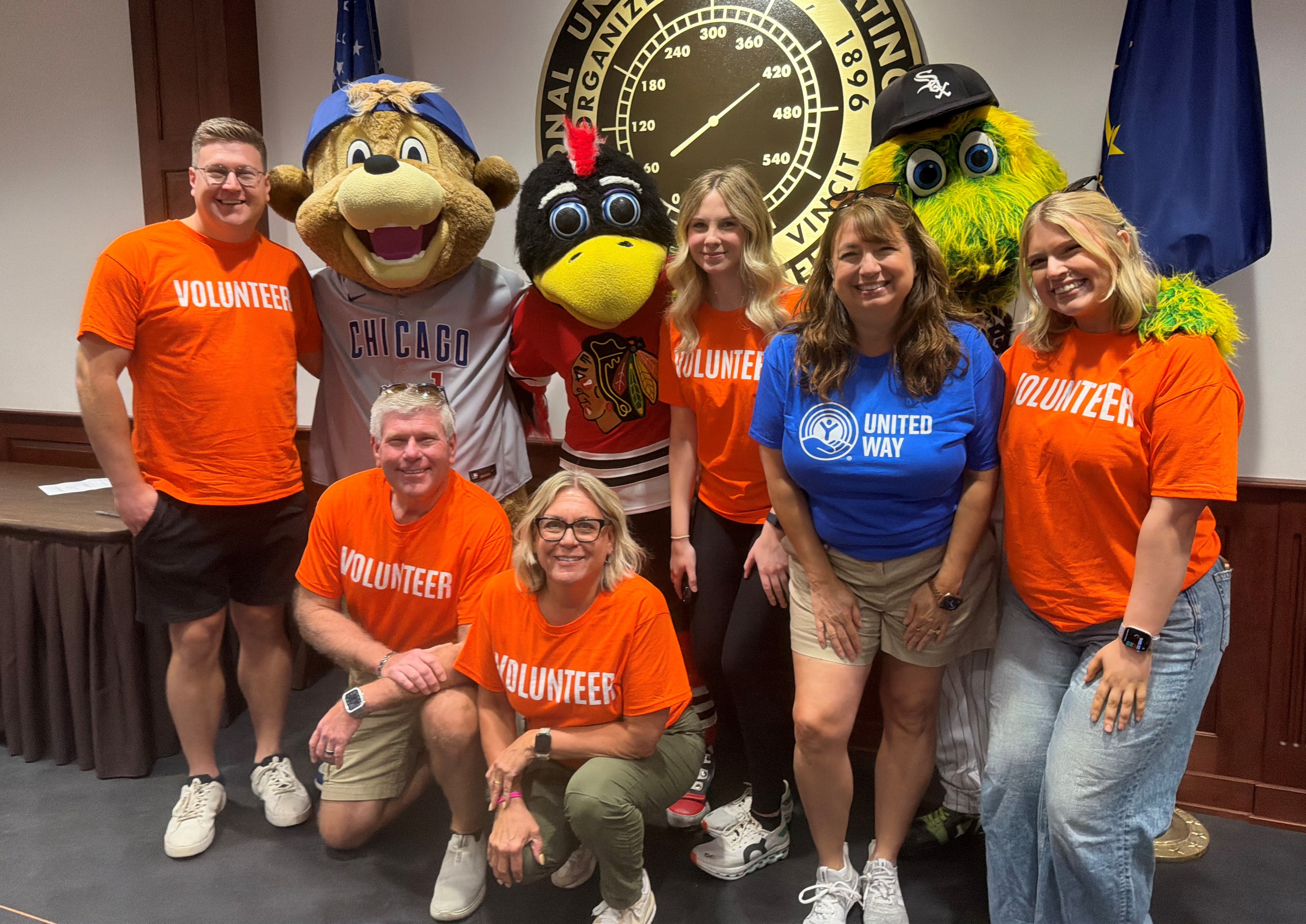
When you join Thrivent, you become part of something bigger. You share in the collective ownership of our company and you’re part of a community of people looking out for others. In addition to Thrivent’s financial expertise and solutions, membership provides eligible clients with tools and resources to make it easy to give of yourself and live a more meaningful life.


Events

2026-10-26T13:00:00
Thanksgiving Basket Donation Drive for Alicia's House Food Pantry
Please join us for Alicia’s House Thanksgiving Food Drive. Alicia’s House Food Pantry provides over 600 Thanksgiving baskets to families in need each year — and you, your organization or church can help!
We’re collecting:
Boxed stuffing
Boxed dessert mixes - such as brownies
Boxed bread items — quick breads, muffins, cornbread, etc.
Help us keep Alicia’s special touch alive this Thanksgiving!
Drop off at:
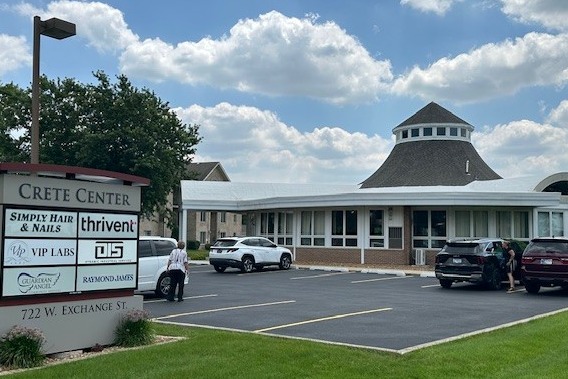
Maar Financial Group
722 West Exchange Street
Crete, IL 60417
Monday – Friday
9:00 a.m. – 4:00 p.m.
Questions?
Call 708-672-0571 or email maarfinancialgroup@thrivent.com.
Alicia’s House was founded in memory of Alicia, a loving 4-year-old who helped her Grandma Stella at the church food pantry. Alicia always added a sweet treat to each food bag — a tradition that continues today through Alicia’s House, which feeds hundreds of families with that same spirit of love and kindness.
No products will be sold. Alicia’s House is not affiliated with or endorsed by Thrivent.

2026-11-02T17:00:00
Coat and Boot Donation Drive for Boys & Girls Club of NWI
Help Make Christmas at Time to Remember! Join Maar Financial Group as we support the Boys & Girls Club of NWI with their Christmas to Remember program bringing joy, hope and warmth to local children during the holiday season.
You can make a meaningful difference by sponsoring a child through our Angel Tree program. Simply stop by our Valparaiso office to select an angel tag or call us at 219-763-2244 and we would be happy to assign one to you.
All donations need to be received by November 23rd. Your generosity truly makes a difference by providing warm winter items to children in need in our community!

2026-11-16T14:00:00
Holiday Donation Drive for Hilltop Neighborhood House Food Pantry
Help make a difference in the lives of those in need by stocking the shelves of Hilltop!
Join us as we host a donation drive for Hilltop Neighborhood House Food Pantry. We will be collecting nonperishable food, paper products and personal hygiene items.
The Hilltop Wish List includes:
Canned goods
Cereal
Oatmeal
Mac and Cheese
Rice
Pasta and pasta sauce
Hamburger Helper
Toilet paper
Paper towels
Personal hygiene items
Items can be dropped off at our Valparaiso office, M-F, 9am-4pm until December 1st!
Strong and stable
We are proud to be part of Thrivent, a company with a long heritage of financial strength and fiscal stability. For more than 120 years, Thrivent has helped people build their financial futures and live more generous lives. Today, Thrivent is a Fortune 500 company, offering a full range of expert financial solutions, serving more than 2.4 million clients, as well as the communities in which they live and work.
News and insights



Office information

Address:
331W 806 NValparaiso, IN 46385
Phone:
219-763-2244Operating Hours:
M – Th 9 a.m. – 5 p.m.; F 9 a.m. – 4 p.m.
Phone:
708-672-0571Operating Hours:
M-Th 9 a.m. – 5 p.m.; F 9 a.m. – 4 p.m.

Phone:
219-763-2244Operating Hours:
By appointment