Insights

We believe that being a financial advisor isn’t just about growing wealth. It’s about helping others create lives filled with purpose and generosity—and creating that life for yourself, too.
As a Thrivent financial advisor, you’ll benefit from:
🌟 A supportive, values-driven culture
🌟 Attractive pay and benefits
🌟 Opportunities to advance your career
Whether you’re an experienced financial advisor or transitioning into the field, you’ll have the tools, independence and support you need to succeed.
Learn more: thriventcareers.com/4qAM53Y

Does your financial plan address ways to efficiently manage your tax obligations now and in the future? Together, we can assess your plan for opportunities to help minimize what you owe, so you can save more of your hard-earned dollars.
See thrivent.com/social for important disclosures. Thrivent and its financial advisors and professionals do not provide legal, accounting, or tax advice. Consult your attorney or tax professional.

Feeling overextended? If you’re part of the sandwich generation, you may feel like you’re being pulled in multiple directions at once.
Relieve the pressure with a financial plan that helps you:
✅ Prioritize what matters most
✅ Ease the stress of competing demands
✅ Not lose track of your goals
Let’s connect to create a financial plan that supports you—and those who depend on you.
See thrivent.com/social for important disclosures.

Feeling behind financially? Don’t fret—time is still on your side.
With the right financial planning, you can take control of your money and work toward your goals with confidence—whether you want to buy a home, start a family, pay off student loans or something else.
Here’s how to get started ➡️https://bit.ly/4r9sw2Y
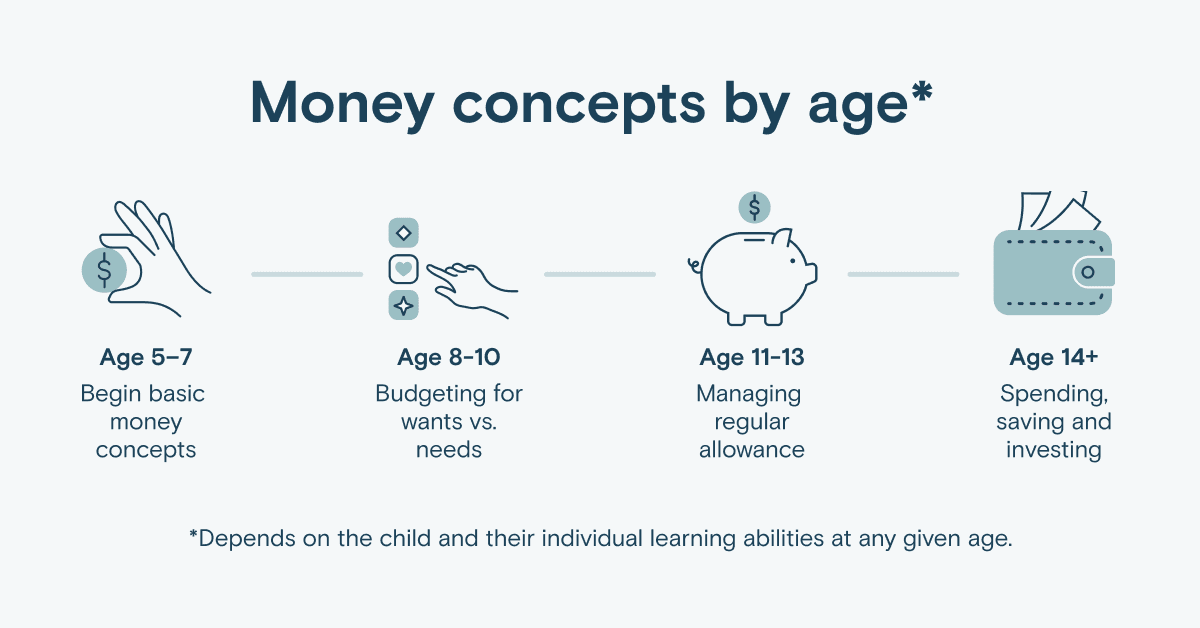
Helping your kids learn about money is a gift that grows with them. Start early, build gradually and focus on simple concepts at each stage.
These age-appropriate skills can help them develop discipline and healthier money habits as they grow. ➡️ https://bit.ly/4axUyhk

Financial planning isn’t just for high earners—it’s for everyday people with goals both big and small.
Whether you’re paying down debt, saving for your first home or starting to invest for retirement, a financial plan can help you turn today’s paycheck into tomorrow’s possibilities.
👉 Let’s connect and discuss how we can help no matter where you’re starting from. Together, we can create a financial plan for all that you’d like to accomplish.
See thrivent.com/social for important disclosures.

Saving for retirement? Here’s something to consider: different accounts come with different tax implications.
By spreading your savings across taxable, tax-deferred and tax-free accounts, you can give yourself more flexibility in retirement. This makes it easier for you to manage withdrawals, avoid tax spikes and lower your Modified Adjusted Gross Income (MAGI).
Get in touch to discuss the right approach for your unique situation.
See thrivent.com/social for important disclosures. Thrivent and its financial advisors and professionals do not provide legal, accounting or tax advice. Consult your attorney or tax professional.

🏡 Your financial house should be built to last—and you can make it stronger with the right help.
Whether you’re working to lay a solid foundation, grow your money or shape your legacy, financial planning can help you:
✅ Prepare for the unexpected
✅ Save and invest for major milestones
✅ Adapt as your goals evolve
Together, we can create a financial plan with clarity and confidence, the same way a house is constructed. Reach out to learn more.
See thrivent.com/social for important disclosures.

Life transitions come with new responsibilities, and taxes are often one of them. Marriage, welcoming a new baby or going through a divorce can all affect your filing status, tax deductions and overall tax picture.
The IRS has a helpful resource that breaks down what to expect: https://bit.ly/48UOMp0
If you’ve recently experienced a major life change and have questions, feel free to reach out for guidance.
See thrivent.com/social for important disclosures. Thrivent and its financial advisors and professionals do not provide legal, accounting or tax advice. Consult your attorney or tax professional.

When you’re raising a young family, it can feel like you’re constantly juggling competing priorities: housing costs, daycare, groceries and everything in between. And all too often, future goals get put on the back burner.
🎯 Here’s a helpful tip: A few simple, tax-friendly moves can help your money stretch a little further today and make a meaningful difference tomorrow.
Get in touch if you’d like to talk through how to incorporate these into your overall financial plan.
See thrivent.com/social for important disclosures. Thrivent and its financial advisors and professionals do not provide legal, accounting or tax advice. Consult your attorney or tax professional.

Thinking more about risk tolerance? Wondering if you’re investing enough—or in the right places? Curious how taxes, diversification and changing priorities affect your long-term goals?
As life becomes more complex, your investment strategy should evolve with it. Let’s review where you are today and build a financial plan that helps you move forward with clarity and confidence.
See thrivent.com/social for important disclosures.

Want to raise a money-smart teen? You don’t need to be a financial expert—just start with a few good conversations.
👉 Talking about money early and often can help teens build discipline, understand their options and feel more prepared for the financial decisions they’ll soon be making.
Here’s how to get started: https://bit.ly/4tuucW0

Financial literacy for teens: 6 lessons about money managementOne of the greatest gifts you can offer your teenager is teaching them about money. In a few years, they'll face financial decisions that demand a long-term perspective. Here are ways to start the conversation. ⬇️

Thinking about working while receiving Social Security? Your age and your earnings could impact the amount of your monthly Social Security benefit.
Here are considerations for balancing work and Social Security: https://bit.ly/41XxFAH

Ever feel like investing is its own language? You’re not alone.
If you’ve ever nodded along at words like “ETF” or “dollar-cost averaging” without really knowing what they meant, this guide is for you.
Get the basics of investing explained simply—no jargon required. ➡️ https://bit.ly/49t3WCi

Many people approaching retirement feel unprepared or unsure whether their investments are positioned appropriately for this stage of life.
➡️ Before refining your strategy, it helps to revisit three core factors: your goals, your time horizon and your risk tolerance. Together, they can reveal whether your current allocation still supports what you need in the years ahead.
If you’re wondering whether you’re on track, let’s talk. We can review your investing strategy together and build a financial plan that supports you now—and throughout retirement.
See thrivent.com/social for important disclosures.

Retirement savings by age: What's average & what's recommendedCurious if your retirement savings are on track? Averages can be helpful, but they’re not the whole story. See where you stand and explore tips for retirement savings by age. 👇

Taking Social Security early? Reasons to consider (with pros & cons)Should you take Social Security early? It depends on your unique needs. Before deciding, make sure to take the pros and cons into consideration.
Together, we can talk about your Social Security income and retirement savings to help determine whether claiming benefits early makes sense.
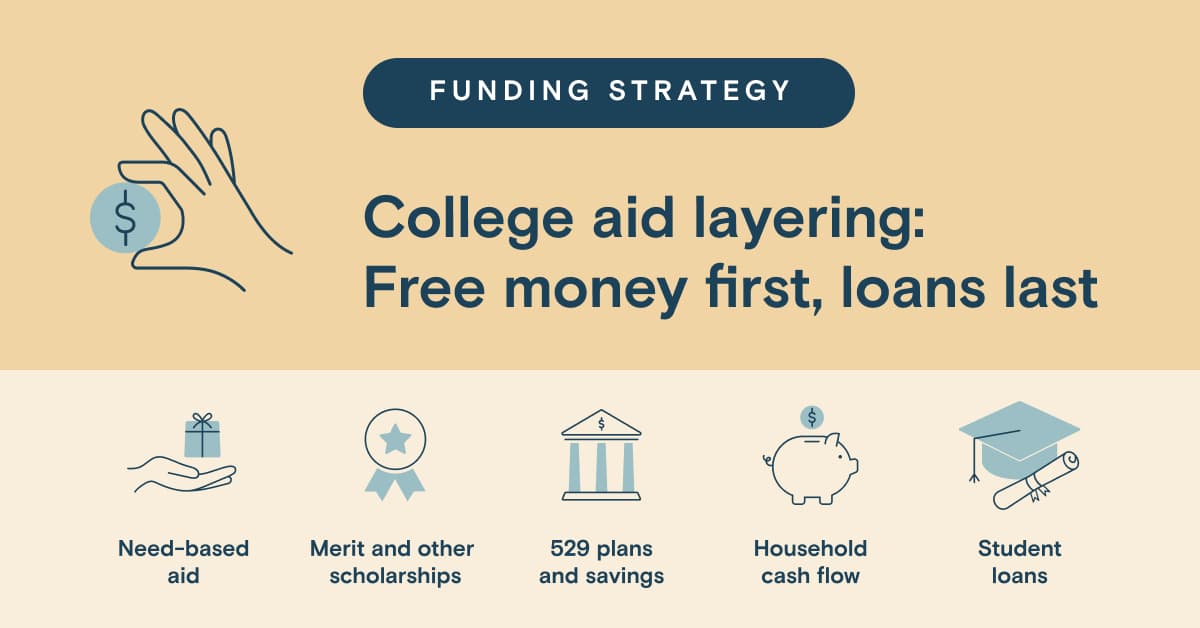
“Aid layering” is a spending strategy that can help you understand which funding sources to prioritize as you pay for college. This strategy suggests spending awards first and reaching for loans last—because a dollar borrowed is a dollar (+interest) that needs to be repaid. Here’s a snapshot of the spending order:
1️⃣ Need-based aid
2️⃣ Merit and other scholarships
3️⃣ 529 plans and savings
4️⃣ Household cash flow
5️⃣ Student loans
You can discover more tips for prioritizing and planning for college costs here: https://bit.ly/4rS1sVv

A balanced financial plan keeps long-term security in view while you prepare for near-term education costs. It doesn’t have to be “either/or”—it’s about prioritizing and sequencing. Contact me today if you'd like help mapping your goals and timeline.
See thrivent.com/social for important disclosures.