Insights

My generosity budget said, “Thanks for remembering I exist.”
Intentional giving can be part of a broader financial plan.
What causes or communities inspire generosity for you?
See thrivent.com/social for important disclosures.

Relationships are at the heart of every successful financial practice.
If you're someone who enjoys making connections, growing your network and helping others reach their goals, those strengths could help you build a meaningful practice of your own.
Explore financial advisor opportunities at Thrivent: thriventcareers.com/4dtC5o8
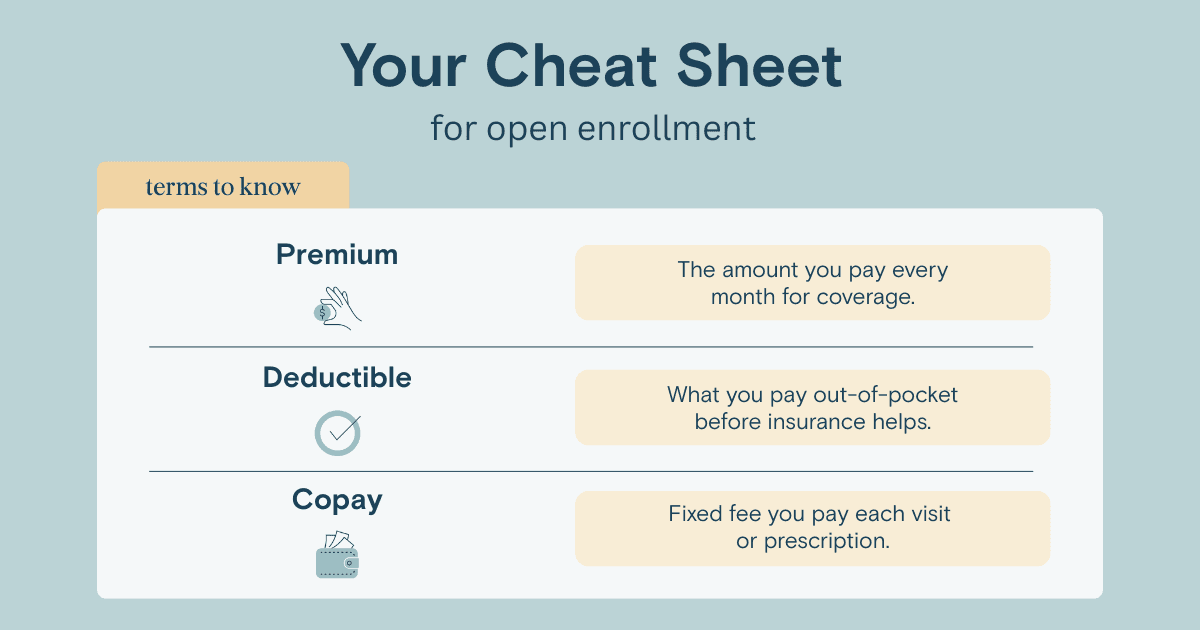
Here's a cheat sheet with some common terms you might encounter during open enrollment. Keep it handy as you make your benefit decisions.

Navigating open enrollment: 5 ways to make the best choices for your familyOpen enrollment is your opportunity to make choices that will protect and support your family throughout the year. Take a look at this helpful guide before you get started. Let’s connect if you want to discuss which options are the right fit for your family’s needs.

Want to raise a money-smart teen? You don’t need to be a financial expert—just start with a few good conversations.
👉 Talking about money early and often can help teens build discipline, understand their options and feel more prepared for the financial decisions they’ll soon be making.
Here’s how to get started: https://bit.ly/4tuucW0

Growth and stocks remain resilient, but rates rise: Q4 2026 market outlookHigher rates. Resilient growth. New opportunities. Thrivent's Q4 2026 Market Outlook highlights why staying invested and maintaining a diversified portfolio remains important in today’s market environment. ⬇️

Stewardship is realizing money is a tool, not the boss.
Aligning money decisions with values can bring greater clarity to financial choices.
What value guides the way you think about money?
See thrivent.com/social for important disclosures.

Teens are already learning so much. Why not add investing to the list?
It’s a great way for them to build real-world skills like goal setting and planning for the future. And with a little hands-on guidance, they can start understanding how markets work and gain financial discipline that carries into adulthood.
📌 This beginner-friendly guide is a great place to start: https://bit.ly/4qrOoow
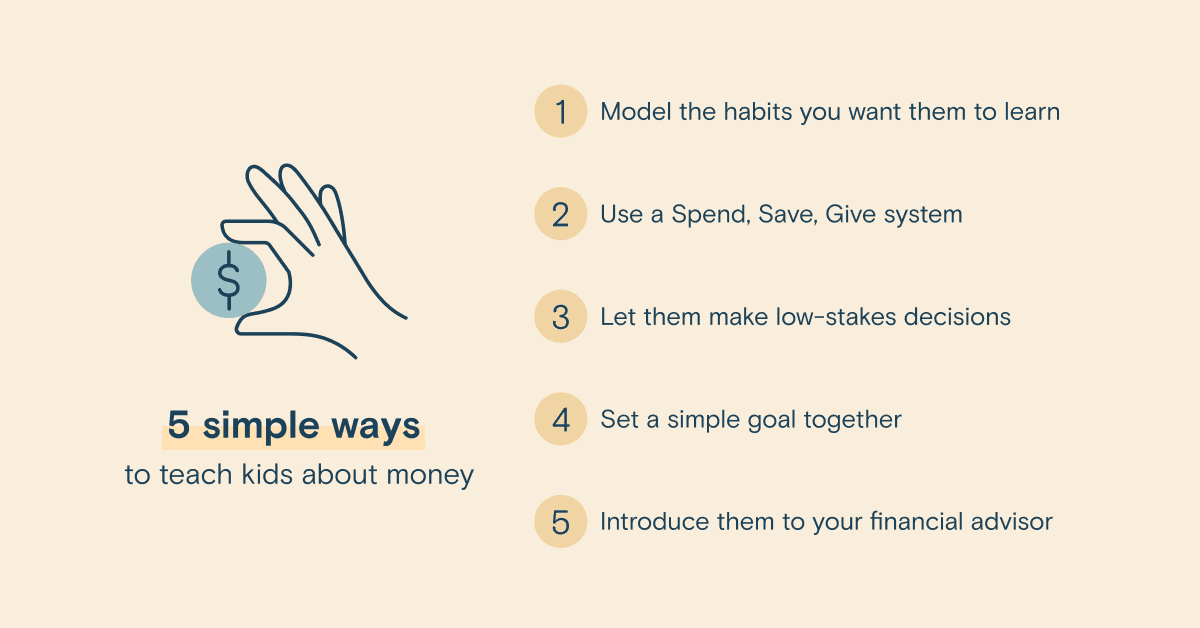
As a parent, you already know the values you want to instill in your kids. But figuring out how to teach them isn’t always easy, especially when it comes to money.
The good news? Raising money-smart kids doesn’t require a lesson plan—just simple, everyday moments. Small habits practiced together can build financial discipline that grows with them. 🙌
These five are a great place to start. ⬆️

Little eyes are always watching—especially when it comes to money. The way we manage and talk about money shapes our kids long before they earn their first dollar.
Try modeling these simple habits to help them build a healthy relationship with money:
⭐ Avoid speaking about money with stress or shame
⭐ Narrate your choices (“We’re saving for X, so we’re skipping Y today”)
⭐ Keep a visible savings routine
⭐ Use positive language around budgeting and planning
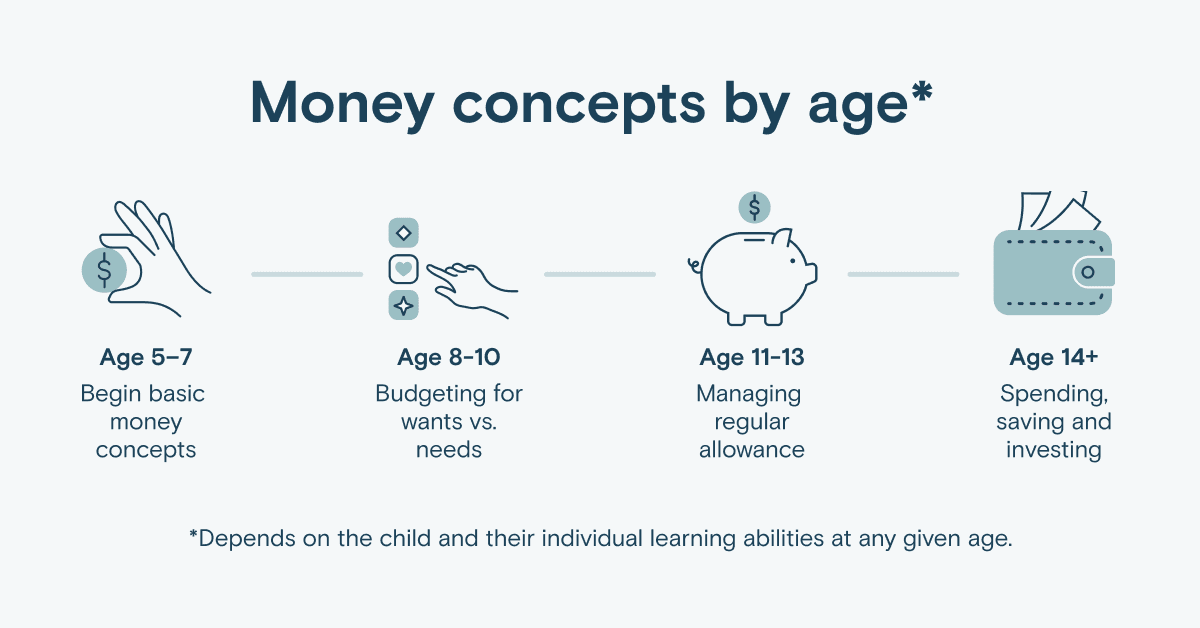
Helping your kids learn about money is a gift that grows with them. Start early, build gradually and focus on simple concepts at each stage.
These age-appropriate skills can help them develop discipline and healthier money habits as they grow. ➡️ https://bit.ly/4axUyhk

How an allowance for kids teaches financial lessons for adulthoodLooking for a way to teach your children the value of money? An allowance can help them understand the basics of budgeting and saving. Here are some things to consider before giving out an allowance. ⬇️

Beneficiary designations are a simple yet powerful way to ensure your assets will be distributed according to your wishes.
If you've experienced a major life event—or if it's just been a while—reviewing your beneficiary designations is a smart move. Here’s what to know: https://bit.ly/48nJtQr
👉 If you have questions or need help updating your designations, don’t hesitate to reach out.

How to offset inflation's impact on your retirement savingsInflation can sneak up fast, affecting how far your money can go each day. Many people are already feeling the impact of higher prices. Learn how to prepare and take steps to help your money stretch further in retirement. 👇

Starting early is powerful. Unfortunately, my younger self was very busy buying snacks.
Saving early allows more time for money to potentially grow.
What advice would you give your younger self about saving?
See thrivent.com/social for important disclosures.

September 2026 Market Update: Healthy growth sends stocks to new highsMarkets continue to navigate a mix of opportunities and challenges. Strong earnings, AI-driven investment and a resilient labor market supported equities, while higher interest rates remain a key consideration for investors. Learn more in Thrivent's September Market Update. ⬇️

Moving out teaches independence, budgeting, and the shocking price of curtains.
Housing costs often include more than rent or a mortgage payment.
What expense surprised you when you first lived on your own?
See thrivent.com/social for important disclosures.

Including a donation in your will or estate plan can help you make a lasting difference for the causes you care about. From designating a nonprofit as a beneficiary to making a bequest or establishing a trust, there are a variety of flexible ways to give—and potential tax benefits too.
Explore your options for donating through your will: https://bit.ly/4nkZ47d
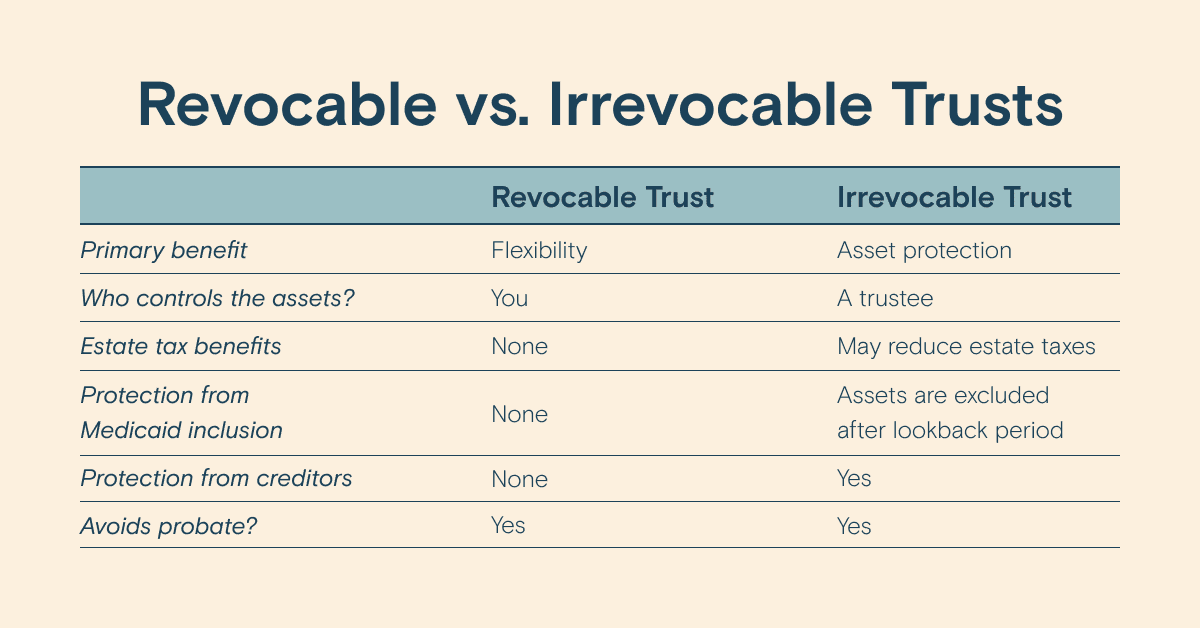
If you own a home, investments, life insurance or other valuable assets, it might be time to consider a revocable or irrevocable trust.
Depending on the structure you choose, a trust can offer a variety of benefits—including privacy, tax advantages and greater control over how your assets are distributed. In some cases, it may even protect your assets from creditors or Medicaid inclusion.
Learn more about your options: https://bit.ly/3VZ6FNl

Estate planning begins with thoughtful decisions about your loved ones, your assets and your wishes for who and what matters most. Here are some tools to help you take the first step: https://bit.ly/4nl6Myk